
 login
 who are we?
 contact us
 qosheapp




Is Grinding Still Good Game Design? What WoW Forever's Gold Economy Says About Player Progression


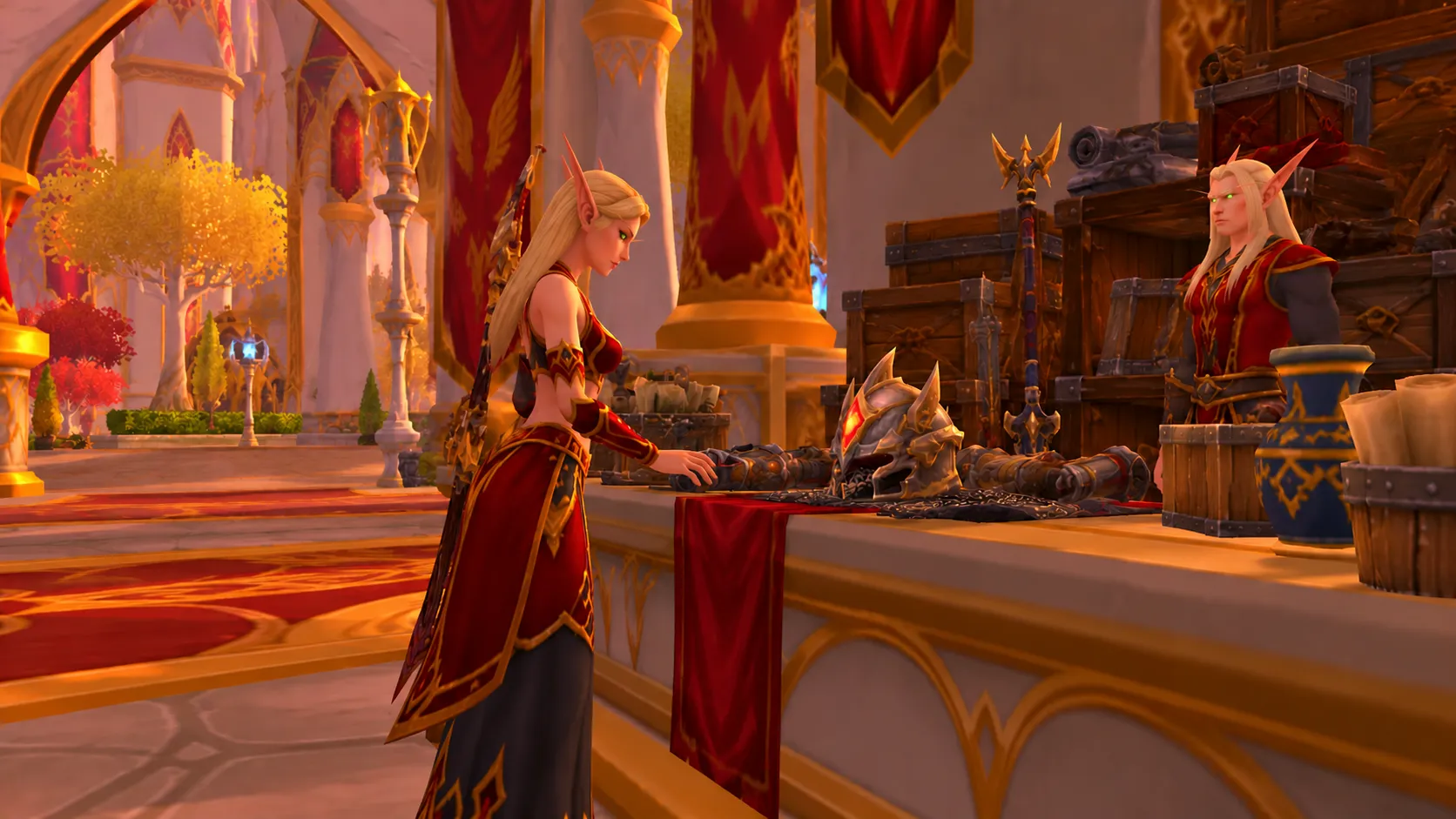
Grinding has always been a central part of MMORPG design. Players repeat quests, defeat familiar enemies, collect materials, and earn currency to improve their characters.
For some, these activities make every achievement feel worthwhile. For others, they turn entertainment into another list of responsibilities.
World of Warcraft: Forever brings this debate into focus. Its approach to character progression and gold management raises a familiar question: how much repetitive gameplay should players complete before reaching the content they actually enjoy?
The answer depends on personal priorities, available time, and what makes progress satisfying. Looking at WoW Forever's economy helps explain why grinding remains both rewarding and frustrating.
Why Grinding Still Feels Rewarding to Many MMORPG Players
Repetitive gameplay is not automatically poor design. When players understand their goals and can measure improvement, grinding creates a connection between effort and achievement.
Earning Rewards Creates Personal Satisfaction
Consider a player gathering materials over several evenings to develop a crafting profession. Each session contributes something toward a larger objective.
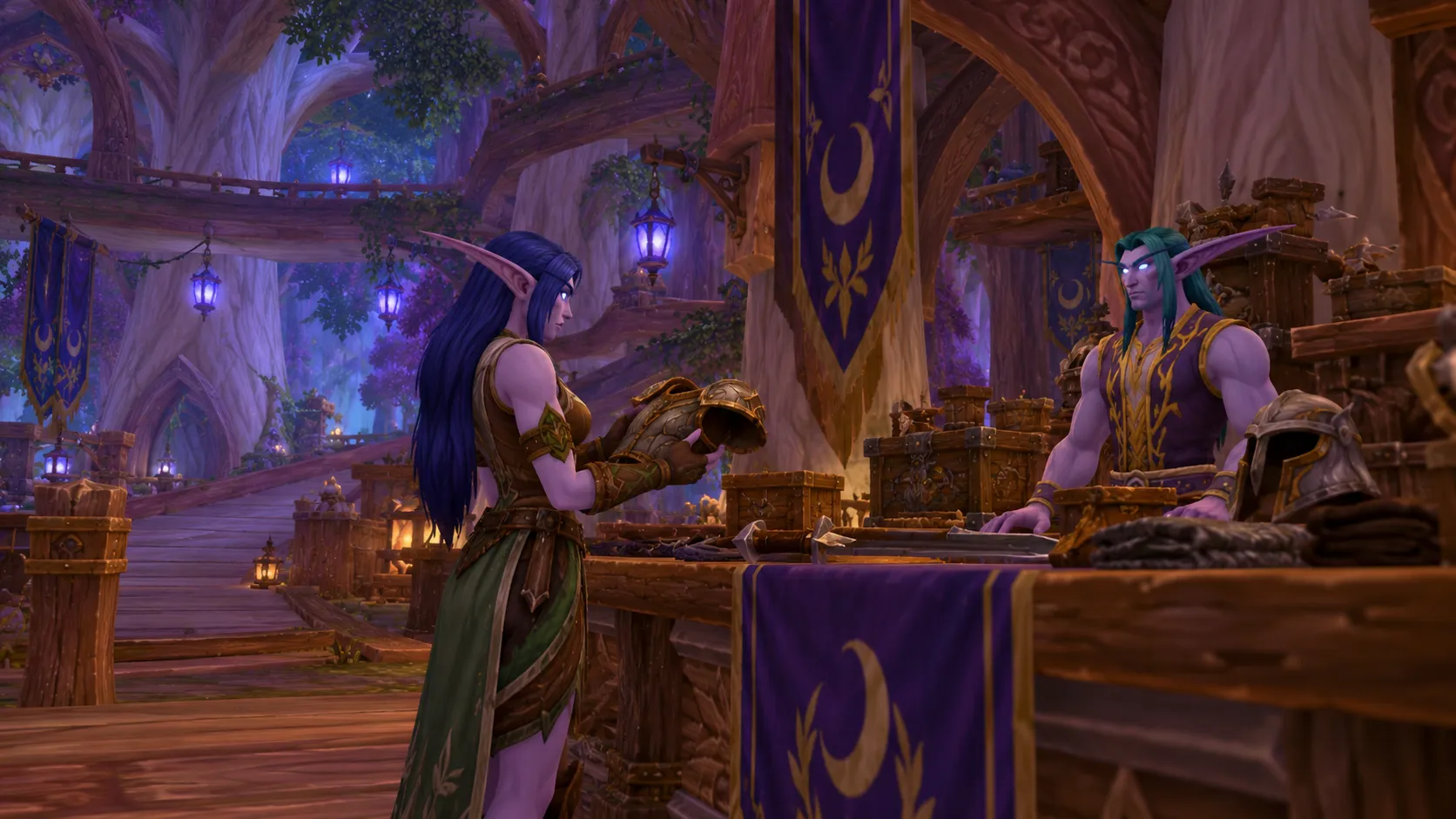
Completing that objective feels meaningful because the player remembers the work involved.
For these players, removing repetitive tasks could weaken the satisfaction of character development. Rewards might become easier to obtain, but their personal significance could decline.
Familiar Activities Can Be Relaxing
Not everyone wants demanding battles during every gaming session.
Some players enjoy collecting resources while chatting with friends, exploring familiar areas, or listening to music. Repetition provides a comfortable routine without requiring constant concentration.
The important difference is choice. Gathering materials voluntarily can be relaxing, while repeating unwanted tasks to access other content can feel exhausting.
How WoW Forever's Gold Economy Shapes Player Progression
Gold connects different parts of an MMORPG economy. It allows players to exchange resources, support professions, and prepare for activities that require equipment or consumables.
Gold Represents Both Resources and Time
The discussion around wow forever gold highlights an important connection between currency and player progression. Gold has practical value, but earning it also represents time spent completing activities.
Players can obtain currency through activities such as questing, gathering materials, selling items, and participating in the trading economy.
How they use those resources depends on their priorities.
For example, gold can support:
Professions: Obtaining materials and developing crafting skills.
Equipment: Purchasing suitable items and covering certain upgrade expenses.
Consumables: Preparing food, potions, and other useful supplies.
Trading: Exchanging materials and crafted products with other players.
Character development: Managing expenses associated with continued progression.
These connections explain why currency management matters even to players who dislike routine farming.
The Economy Makes Different Activities Valuable
A gathering-focused player might collect materials that another player needs for crafting.
Someone who prefers crafting can transform those resources into useful products. Other players may purchase those items instead of collecting every ingredient themselves.
This exchange gives different activities economic value.
However, it also creates an interesting design problem. If certain resources demand excessive farming, players may feel pressured to spend more time earning gold than enjoying their preferred content.
When Does Grinding Become a Problem?
Grinding becomes frustrating when repetitive activities feel compulsory rather than rewarding. The same task can create completely different experiences depending on a player's circumstances.
Limited Playtime Changes the Experience
Imagine two WoW Forever players preparing for group activities.
One plays regularly throughout the week. They enjoy gathering materials, managing professions, and gradually building their gold reserves.
The other has three hours available on Saturday evening. Spending most of that time collecting resources means fewer opportunities to participate in group content.
Neither approach is inherently better.
The disagreement comes from different expectations about how much time an MMORPG should demand.
Progress Should Feel Meaningful, Not Mandatory
Good repetitive gameplay offers visible progress and useful choices.
Players should ideally understand:
What they are working toward.
How each activity contributes to that goal.
Whether alternative methods of progression exist.
When they have collected enough resources.
Whether the reward justifies their time.
When those questions have clear answers, grinding feels more manageable.
Problems arise when players repeat activities without experiencing meaningful improvement or having reasonable alternatives.
Does Efficient Gameplay Reduce Enjoyment?
Efficiency is another controversial subject in MMORPG communities. Some believe optimizing every activity makes games less interesting, while others see careful planning as part of the enjoyment.
The Argument Against Constant Optimization
Players who prioritize efficiency may focus entirely on activities offering the greatest rewards for their time.
That approach can discourage exploration, experimentation, and spontaneous cooperation.
An interesting quest might be ignored because another activity produces more currency. A profession might be abandoned because its rewards require too much preparation.
Eventually, gaming risks becoming a calculation rather than a personal experience.
The Argument for Playing Efficiently
Efficiency can also help players enjoy more of the game.
Someone interested primarily in dungeons might organize shorter gathering sessions, avoid unnecessary purchases, and prepare resources before joining friends.
These decisions reduce repetitive work without eliminating meaningful progression.
For players balancing gaming with employment, family responsibilities, or other interests, efficiency can make MMORPG participation more practical.
The distinction is whether optimization supports enjoyment or becomes the only reason to play.
Can Different Playstyles Coexist in WoW Forever?
An MMORPG benefits from having players with different interests. Gathering, crafting, trading, exploration, and group challenges all contribute to a broader community.
Let Different Players Define Progress
A player who enjoys collecting materials should have meaningful goals. Someone who prefers cooperative battles should also have opportunities to progress without dedicating every session to resource farming.
An interconnected economy can support both approaches.
One player contributes through gathering, another through crafting, and others through trading or group participation.
However, economic flexibility alone cannot solve every progression problem. Developers must also consider whether required preparation becomes excessive for players with limited schedules.
Preserve Effort Without Creating Exhaustion
Removing every repetitive activity could weaken long-term progression. Making every reward difficult to obtain could discourage players who cannot commit extensive hours.
The more useful design question is whether players have meaningful choices about how they spend their time.
Different routes toward reasonable goals can preserve achievement while accommodating different preferences.
Conclusion: Is Grinding Still Good Game Design?
Grinding remains valuable MMORPG game design when it rewards persistence, supports player choice, and makes character progression satisfying. WoW Forever's gold economy demonstrates how repetitive activities connect professions, trading, equipment, and preparation.
However, the value of repetition depends on available time and personal priorities. What feels rewarding to one player may feel restrictive to another.
Perhaps successful MMORPG design is not about eliminating grinding or making every reward difficult to earn. It is about creating a world where effort matters without demanding that every player spend their limited time in the same way.
© qolumnist
 visit website